01Supply
Commit computational capacity.
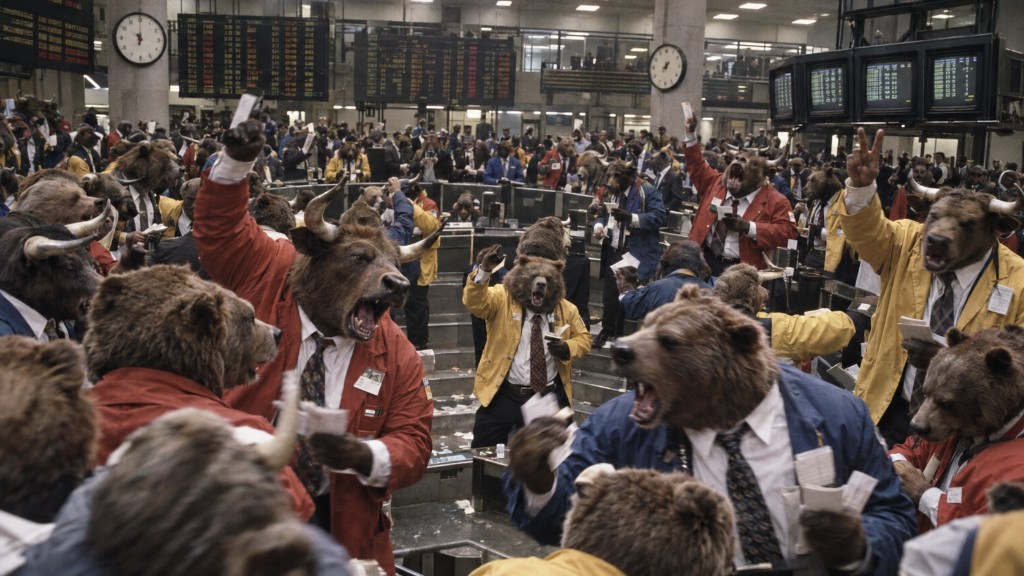
COMPUTE EXCHANGE
FUTURE INFERENCEMADE TRADABLE.
For most of history, markets were places.
Merchants gathered because goods were scattered, information was scarce and prices were uncertain.
Bringing buyers and sellers together changed that.
A market made a price visible.Ships and voyages required more capital than any one merchant wished to risk.
Ownership was divided. Claims changed hands. Capital became liquid.
What could be owned could be traded.
Merchants once gathered in a London coffee house to exchange intelligence about ships, cargo and distant seas.
Some sought protection. Others were willing to bear the risk for a price.
A market formed between them.
Risk became an asset.A bushel today and a bushel after harvest were not the same thing.
Producers wanted certainty. Buyers wanted supply.
Exchanges standardised the promise of future delivery.
Time became part of the price.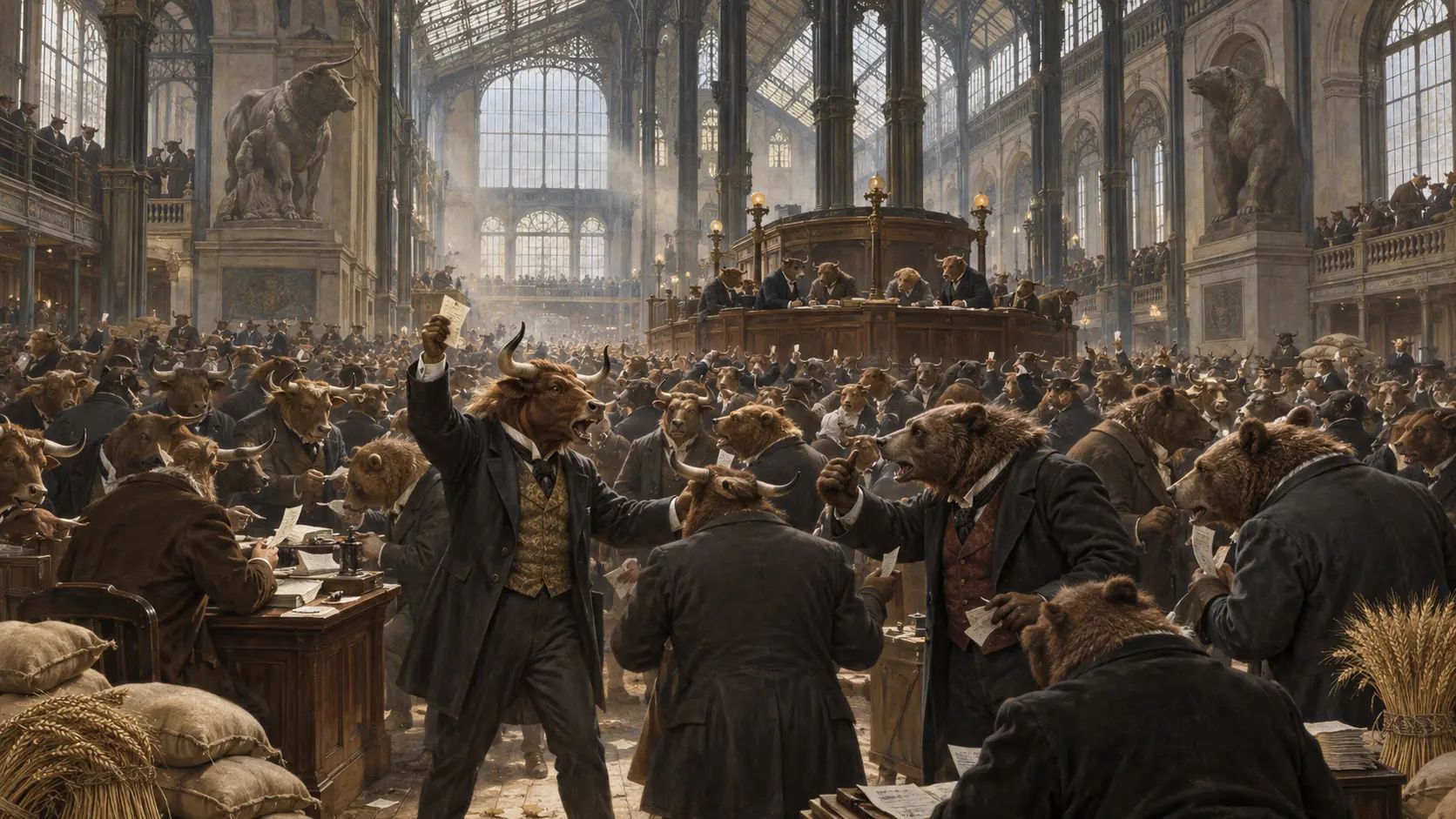
Artificial intelligence has created one of the world's fastest-growing industrial inputs.
Yet computational capacity is still largely bought as a service:
fragmented,
on demand,
at someone else's price.
Commit computational capacity.
Buy inference across available capacity.
Everything scarce eventually finds a market.